
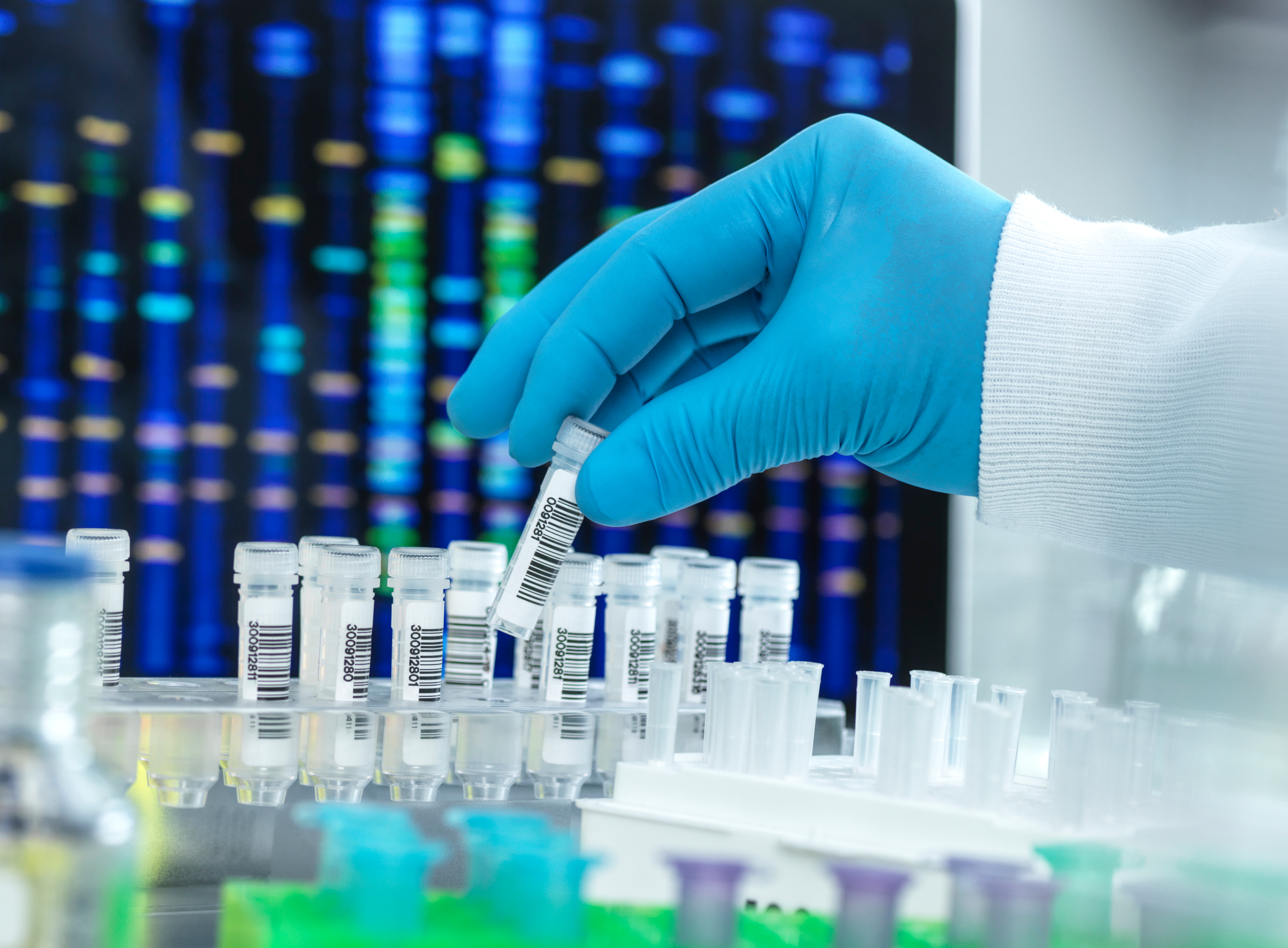
Forensic DNA evidence is often viewed as one of the most powerful forms of scientific proof in the courtroom. However, when biological samples contain genetic material from more than one individual, interpretation becomes significantly more complex. Forensic DNA mixture interpretation sits at the intersection of molecular biology, statistics, and legal strategy, and misunderstandings at any point can have profound implications for case outcomes.
As forensic science has advanced, DNA mixtures have become increasingly common in criminal and civil cases. Trace DNA, low-level samples, and complex crime scenes routinely generate mixed profiles that require careful scientific evaluation and contextual understanding. This article explores the technical challenges of forensic DNA mixture interpretation, best practices for addressing them, and why experienced forensic DNA consultants play a critical role in legal proceedings.
What Is Forensic DNA Mixture Interpretation?
A DNA mixture occurs when biological material from two or more individuals is present in a single evidentiary sample. Unlike single-source DNA profiles, which typically produce clear and interpretable genetic data, mixtures introduce ambiguity regarding contributor identity, proportion, and statistical significance.
Forensic DNA mixture interpretation involves determining:
- How many contributors may be present
- Which alleles belong to which contributor
- Whether a particular individual can be included or excluded
- The strength of any association between the evidence and a person of interest
These determinations require scientific judgment, validated methodologies, and a deep understanding of laboratory processes. Errors or oversimplifications can lead to overstated conclusions or misinterpretation of evidentiary weight.
Why DNA Mixtures Are So Common in Modern Casework
Advancements in DNA sensitivity have dramatically increased the detection of low-level genetic material. While this technological progress has benefits, it has also increased the frequency of mixed DNA samples. Common sources include:
- Trace DNA from handled objects
- Sexual assault evidence involving multiple contributors
- Shared environments (vehicles, weapons, clothing, residences)
- Secondary and tertiary DNA transfer
As laboratories push analytical thresholds lower, they encounter stochastic effects that complicate interpretation. These effects are not intuitive to non-scientists and can be difficult to explain without expert guidance.
Key Technical Challenges in Forensic DNA Mixture Interpretation
1. Determining the Number of Contributors
Estimating the number of contributors is a foundational step in mixture interpretation, yet it is inherently subjective. Analysts rely on peak counts, allele sharing, and statistical modeling, but different assumptions can produce different outcomes.
Underestimating contributors can artificially strengthen associations, while overestimating contributors may dilute evidentiary value. This decision often becomes a focal point in courtroom challenges.
2. Low-Template DNA and Stochastic Effects
Low-template DNA samples are especially prone to:
- Allelic dropout
- Allelic drop-in
- Peak height imbalance
These stochastic effects can distort the apparent genetic profile and lead to inconsistent results across replicate testing. Understanding how laboratories address stochastic thresholds and analytical cutoffs is critical when evaluating conclusions.
3. Peak Height Ratios and Contributor Proportions
In mixed samples, contributors rarely contribute equally. Peak height ratios are often used to infer contributor proportions, but these ratios are influenced by amplification efficiency, degradation, and sampling variability.
Misinterpretation of peak height data can lead to incorrect assumptions about major and minor contributors, which may affect inclusion or exclusion decisions.
4. Subjectivity in Analytical Decisions
Despite standardized protocols, forensic DNA interpretation still involves human judgment. Decisions about stutter designation, allele calling, and artifact identification can vary between analysts and laboratories.
This subjectivity underscores the importance of independent review, particularly in high-stakes legal cases where DNA evidence carries significant weight.
The Role of Probabilistic Genotyping in DNA Mixture Interpretation
Probabilistic genotyping software (PGS) has transformed forensic DNA mixture interpretation by applying statistical models to complex data sets. These systems evaluate multiple hypotheses and generate likelihood ratios rather than categorical conclusions.
While probabilistic genotyping can offer greater transparency and consistency, it also introduces new challenges:
- Model assumptions may not reflect case-specific realities
- Input parameters significantly influence output
- Source code and validation studies are not always accessible
Understanding how these systems work—and where their limitations lie—is essential for attorneys and courts assessing DNA evidence.
Best Practices for Interpreting Forensic DNA Mixtures
Comprehensive Case File Review
A thorough review of laboratory documentation is fundamental. This includes electropherograms, analyst notes, validation studies, and quality assurance records. Independent experts can identify inconsistencies or unsupported assumptions that may not be apparent in summary reports.
Professionals providing detailed case file reviews can help legal teams understand whether conclusions are scientifically justified. Learn more about this process through Independent DNA Consulting’s DNA case file review services.
Evaluating Laboratory Protocols and Validation
Not all laboratories operate under identical specifications. Differences in stochastic thresholds, interpretation guidelines, and probabilistic software validation can materially affect conclusions.
A qualified consultant evaluates whether laboratory methods align with accepted forensic standards and whether deviations are scientifically defensible.
Contextualizing DNA Evidence Within the Case Narrative
DNA evidence does not exist in a vacuum. Transfer mechanisms, activity-level propositions, and alternative explanations must be considered. A DNA mixture may be scientifically sound yet legally misleading if context is ignored.
This is where expert trial consulting becomes invaluable. Strategic guidance ensures DNA evidence is accurately framed within the broader evidentiary landscape. Independent DNA Consulting offers dedicated trial consulting services to help attorneys navigate these complexities.
Clear Communication for Courtroom Presentation
One of the greatest challenges in forensic DNA mixture interpretation is explaining complex science to judges and juries. Miscommunication can lead to misunderstanding of likelihood ratios, inclusion statements, or probabilistic conclusions.
Experienced forensic experts who provide expert witness testimony play a crucial role in translating technical findings into clear, accurate explanations without overstating certainty.
Legal Implications of Misinterpreting DNA Mixtures
Misinterpretation of forensic DNA mixtures can have serious legal consequences, including wrongful convictions or improper exclusions. Courts increasingly scrutinize DNA evidence, particularly when probabilistic genotyping or low-template samples are involved.
Defense and prosecution teams alike benefit from engaging qualified forensic DNA consultants early in the case process. Early involvement allows for proactive evaluation rather than reactive damage control during trial.
Independent DNA Consulting provides comprehensive DNA expert services designed to support legal teams at every stage, from pretrial assessment through courtroom testimony.
The Value of Independent Forensic DNA Expertise
Independence is critical in forensic DNA analysis. An independent consultant brings objectivity, technical depth, and courtroom experience that complements—but does not replace—laboratory findings.
Professionals serving as DNA expert trial consultants and witnesses help attorneys:
- Identify scientific weaknesses in opposing evidence
- Develop effective cross-examination strategies
- Ensure DNA conclusions are presented responsibly
This independent perspective is especially valuable in complex mixture cases where assumptions and methodologies are often contested.
Looking Ahead: The Future of Forensic DNA Mixture Interpretation
As forensic science continues to evolve, DNA mixture interpretation will remain a critical and contested area. Emerging technologies, evolving standards, and increased judicial scrutiny underscore the need for rigorous scientific evaluation.
Best practices will continue to emphasize transparency, validation, and expert involvement. Legal professionals who understand the technical foundations of forensic DNA mixture interpretation—and who collaborate with qualified consultants—will be better equipped to navigate these challenges.
Conclusion
Forensic DNA mixture interpretation is one of the most technically demanding areas of modern forensic science. While advancements in technology have expanded the capabilities of DNA analysis, they have also introduced new complexities that demand careful scientific and legal consideration.By adhering to best practices, engaging independent experts, and contextualizing DNA evidence appropriately, legal teams can ensure that forensic conclusions are both scientifically sound and legally fair. Organizations like Independent DNA Consulting provide the expertise necessary to bridge the gap between laboratory science and courtroom application—helping courts reach informed, just decisions based on accurate interpretation of complex DNA evidence.